


Water Quality Testing in Salt Lake City, UT

Brown water after a main break, a fizzy or soapy taste from the tap, white scale on every faucet, or just a nagging question about what’s in your glass: all of these start with the same step, testing. Trailhead Plumbing and Drain provides water quality testing Salt Lake City for homes, rentals, and small commercial properties, with results explained in plain language and no pressure to buy equipment you don’t need.

Water quality testing Salt Lake City

Trusted Water Quality Testing

Trailhead Plumbing service vehicle

Why Choose Us

Water quality testing

Is It Okay to Drink Tap Water in Salt Lake City?

Salt Lake City's municipal water is regulated and routinely sampled, so it generally meets drinking water standards, but "meets the standard" doesn't tell you what's happening inside your own pipes or at your own tap.

The city publishes water quality information through Salt Lake City Public Utilities, and Salt Lake County's Environmental Health Division handles questions on testing. What those reports can't show is how your home's plumbing affects the water after it enters your property: older galvanized lines, a failing water heater, or mineral scale can all change what actually comes out of the faucet. A test at your tap measures the water you really drink.
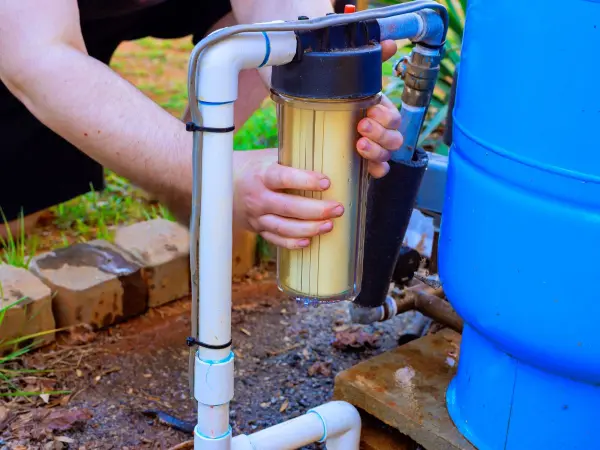
How Is the Water Quality in Salt Lake City?

Salt Lake City water is generally rated safe by regulators, with hardness being the most common day-to-day complaint, and taste, odor, and discoloration issues varying by neighborhood and plumbing age.

Local homeowners regularly ask about tap water that tastes off, looks brown, or leaves heavy scale. Many of these have simple causes. Brown water often follows a nearby main break or hydrant flushing and clears after running the tap. Brown or rusty water on the hot side only usually points to sediment in the water heater instead of the city supply. Testing separates a utility-side issue from a problem inside your own home.
Water quality testing

What City in Utah Has the Hardest Water?

Water hardness in Utah varies by water source and neighborhood, not just by city, so there isn’t one reliable answer, but much of the Wasatch Front is known for hard water.


The USGS classifies water above 120 mg/L (about 7 grains per gallon) as hard and above 180 mg/L as very hard. Rather than relying on a citywide label, an in-home hardness test shows where your tap actually falls, which is the number that matters for choosing a softener or deciding you don’t need one.

What Our Water Quality Testing Covers

Water hardness (calcium and magnesium)
These in-home checks give you a fast, practical baseline. If a result suggests a specific contaminant concern, such as lead, arsenic, or PFAS, we recommend sending a sample to a certified lab, since field tests aren’t a substitute for lab-certified results on those.
Water quality testing

Free Water Tests vs. Lab Testing: What's the Difference?

Free in-home tests are quick screening checks, often offered by water treatment companies, while lab testing measures specific contaminants and produces certified results you can rely on.

Several water treatment companies in Salt Lake County advertise free in-home testing. These are useful for hardness and basic readings, but they're also how those companies start a sales conversation about equipment. Lab testing gives you certified numbers for a defined list of contaminants, and mail-in kits for a full panel are listed locally at around $299.

In-home screening test: often free to $75

 Lab-certified water panel: roughly $100 – $300+

depending on contaminants tested
Comprehensive mail-in kit: around $299 for a full panel

Our approach is to explain exactly what your results mean first, and tell you honestly whether you need treatment at all.
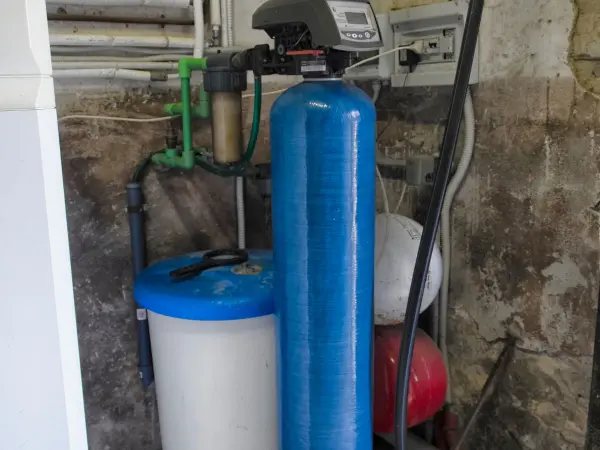
Where Is the Best Place to Get My Water Tested?

For hardness and basic quality, an in-home test at your tap is the fastest option; for contaminants like lead or PFAS, use a state-certified lab.

Utah State University Extension maintains a list of Utah drinking water testing labs by test type, and Salt Lake County Environmental Health can answer questions on testing. We can handle the in-home portion, collect samples correctly if you want lab confirmation, and help you read the report afterward.
Water quality testing services

Well Water Testing in the Salt Lake Valley

If your property uses a private well, you aren’t covered by municipal sampling, so testing yourself is the only way to know what’s in the water.

Private wells need regular testing for bacteria, nitrates, and mineral content, since nobody monitors them for you. If you’re buying a property with a well, test before closing.

Water Testing for Renters

Renters can ask their landlord for the property's water quality information and run a basic tap test, but any plumbing change needs landlord approval.

A simple in-home test tells you whether a taste or hardness complaint is worth raising. If results suggest a plumbing issue in the building, document it and send it to your property manager in writing.
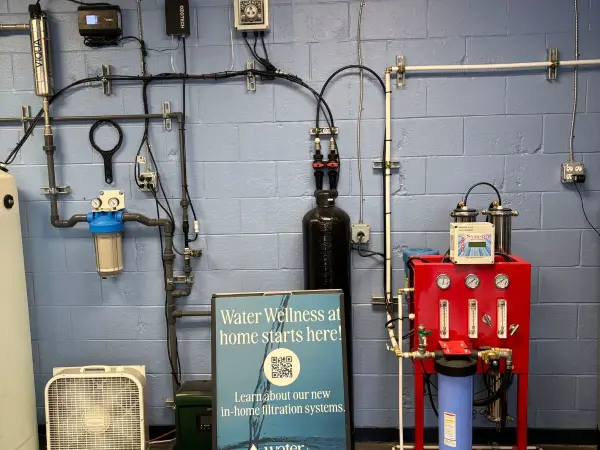
What To Do With Your Results

If your results show high hardness, a water softener is the standard solution; if they show chlorine taste or sediment, a filtration system fits; if they show a specific contaminant, lab confirmation comes first.

Many results need no equipment at all. A hardness reading in the moderate range, for example, may only call for water heater flushing every year. We lay out your options from cheapest to most involved so you can decide what’s actually worth buying.
water quailty test

Residential & Commercial Water Testing

We provide residential water quality testing for single-family homes, townhomes, condominiums, and rental properties throughout Salt Lake City, plus water checks for restaurants, offices, and small commercial properties, particularly where ice machines or equipment depend on water quality.

Our Process

Magnifying Glass

01

01

Hourse

01

02

Contact a plumber in Salt Lake City

01

03

Schedule Your Test

Book an in-home visit.

Tap Testing

We test hardness, chlorine, TDS, pH, and visible quality indicators at your tap.

Plain-Language Results

We explain what each reading means for your plumbing and your family.

Task

01

04

Pipe Wrench

01

05

Lab Referral if Needed

If a contaminant concern comes up, we help you collect a proper sample for lab testing.

Honest Recommendation

You get options ranked by cost, with no pressure to buy.

Areas We Serve

Primary Service Area

GOT QUESTIONS?

FREQUENTLY ASKED QUESTIONS

 Generally yes, municipal water is regulated and routinely sampled. A test at your own tap tells you whether your home's plumbing is changing the water after it arrives.

 It's considered safe by regulators, with hardness the most common complaint. Taste, odor, and color issues vary by neighborhood and by the age of your plumbing.

Hardness depends on the water source and neighborhood, so there isn't one reliable answer. Much of the Wasatch Front is hard, and an in-home test shows your actual level.

 Utah doesn't have one statewide water quality problem, but local concerns exist, including hardness, aging pipes, and questions about specific contaminants in some areas. Testing your own tap is the only way to know your situation.

Start with an in-home test for hardness, chlorine, TDS, and pH. For contaminants like lead, arsenic, or PFAS, send a sample to a certified lab, since field tests aren't reliable for those.

 They're useful for a quick baseline, but they're often the start of a sales pitch. Ask for your actual numbers and compare any recommendation against your results before buying equipment.

 Yes, particularly before buying a softener or filter, since results show whether you need one and which type fits your water.

 In-home screening is often free to $75, while certified lab panels typically run $100 to $300 or more, with comprehensive mail-in kits around $299.

Know What's Actually in Your Water

Whether it's a strange taste, heavy scale, or a question about safety, we test at your tap and explain your results honestly before recommending anything.