


Plumbing Safety in Salt Lake City, UT

From frozen pipes in winter to aging gas lines in older neighborhoods, plumbing safety Salt Lake City involves more than just avoiding leaks. Trailhead Plumbing and Drain provides plumbing safety inspections and code-compliant repairs throughout Salt Lake City, helping homeowners catch hazards before they become emergencies.

plumbing safety salt lake city

Trusted Plumbing Safety Services

Trailhead Plumbing service vehicle

Why Choose Us

plumbing safety

What Plumbing Code Does Utah Follow?

Utah follows the International Plumbing Code with state-specific amendments, enforced through the Utah Department of Commerce, Division of Professional Licensing.

This code governs everything from pipe materials and installation standards to permit requirements for plumbing work. Local building departments, including Salt Lake City's own municipal code, add specific safety requirements on top of the state standard, particularly around backflow prevention and gas line safety.
Common Plumbing Safety Hazards in Salt Lake City

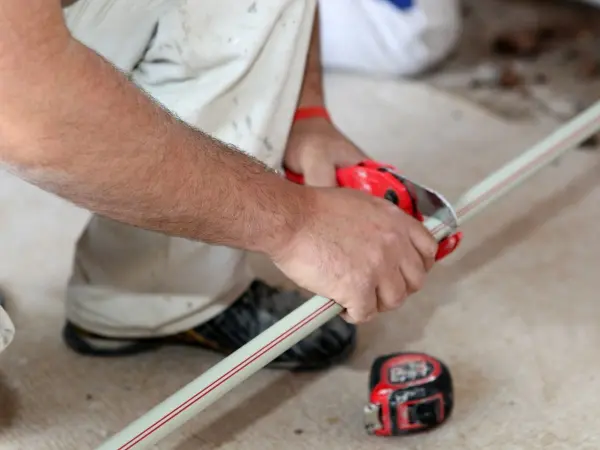
Frozen pipes during hard winter freezes, aging gas lines in older neighborhoods, and backflow risk from closed plumbing systems are among the most common safety concerns local homeowners face.

A real local master plumber describes a pattern seen across the trade: equipment that gets unnecessarily condemned, minor issues turned into urgent sales pitches, and normal wear framed as a safety emergency to drive a bigger repair. A genuine plumbing safety concern is specific and explainable, not vague fear-based pressure toward immediate replacement.
plumbing safety services

Frozen Pipe Prevention & Winter Safety

Freezing temperatures put real stress on Salt Lake City plumbing, particularly in crawl spaces, garages, and exterior walls, and proper winterization significantly reduces the risk of a burst pipe.

Insulating exposed pipes, disconnecting outdoor hoses, and knowing where your main shut-off valve is located before a freeze hits are the basics. If a pipe does freeze, thawing it slowly and safely, rather than with an open flame or excessive heat, matters as much as catching it early.

Backflow Prevention & Water Quality Safety

A backflow preventer stops contaminated water from flowing back into your home’s clean water supply, a real safety concern in closed plumbing systems with pressure-reducing valves.

Commercial properties and many residential systems with specific configurations are required to have backflow devices tested regularly to meet code. This isn’t just a compliance checkbox, it’s a genuine protection against contamination entering your drinking water.
backflow pervention

Gas Line Safety

Gas line work should always be handled by a licensed plumber, since improperly installed or aging gas piping creates a genuine safety risk, not just a compliance issue.

Older sections of Salt Lake City have aging gas infrastructure that requires careful inspection, and any suspected gas leak warrants leaving the property immediately and contacting the gas utility before anything else.

How to Shut Off Your Main Water Supply in an Emergency

Knowing the location of your main shut-off valve before an emergency happens is one of the simplest, most important plumbing safety steps any homeowner can take.

In most homes, this valve is located where the water line enters the house, often in a basement, crawl space, or utility area. If you've never located or tested yours, doing so now, rather than during an active leak, is a basic safety precaution worth the five minutes it takes.
PEX vs. Copper Piping: Safety Considerations

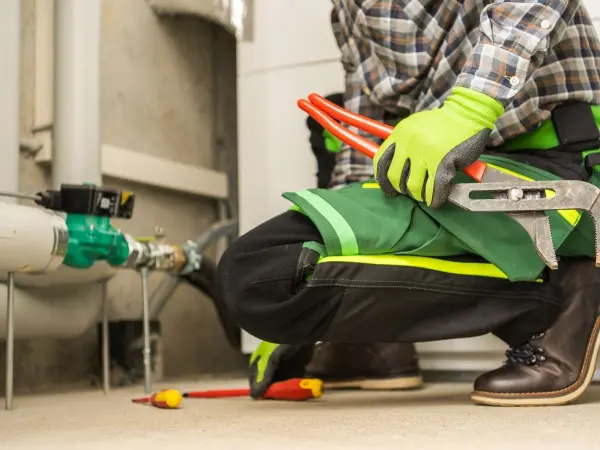
Both PEX and copper are considered safe, code-compliant materials for Salt Lake City homes, though each has different vulnerabilities depending on local conditions.

Copper is more resistant to UV and heat but can corrode over time with Salt Lake City’s hard water. PEX resists corrosion and freeze-related bursting better but isn’t suitable for certain high-heat applications. Neither is inherently “safer” across the board, the right choice depends on your home’s specific plumbing needs.
plumber safety

Choosing a Plumber You Can Trust on Safety

Watch for a plumber who explains exactly what they found, in specific terms, rather than vague urgency pushing you toward an expensive repair without clear reasoning.

A pattern worth being aware of locally: some companies frame normal wear as a serious safety concern to drive unnecessary replacement. A trustworthy plumber shows you the actual issue, explains it in plain language, and lets the evidence speak for itself rather than relying on fear.

plumbing inspection safety

 Residential & Commercial Plumbing Safety Inspections

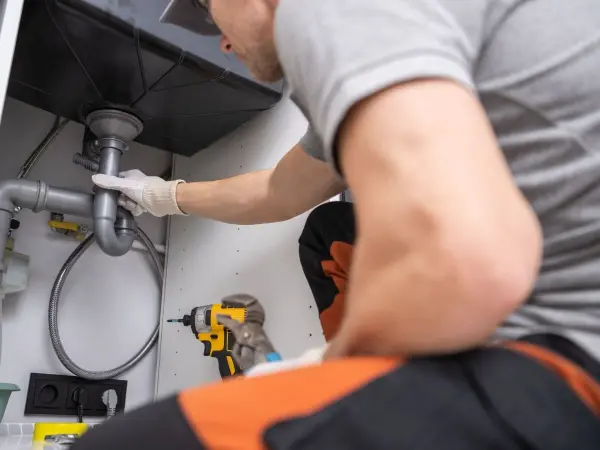
We provide plumbing safety inspections and code-compliant repairs for single-family homes, rental properties, and commercial buildings throughout Salt Lake City.

Our Process

Magnifying Glass

01

01

Hourse

01

02

Contact a plumber in Salt Lake City

01

03

Full Safety Assessment

We check pipes, gas lines, backflow devices, and shut-off valves for genuine hazards.

Clear Explanation

We show you exactly what we found, not vague warnings.

Upfront Estimate

A clear price before any recommended work begins.

Task

01

04

Pipe Wrench

01

05

Code-Compliant Repair

Completed to current Utah and local code standards.

Final Verification

We confirm the issue is resolved and explain any ongoing maintenance needed.

Areas We Serve

Primary Service Area

GOT QUESTIONS?

FREQUENTLY ASKED QUESTIONS

 Licensed plumbers in Utah typically earn between $50,000 and $80,000 annually, depending on experience, specialization, and whether they're self-employed or with an established company.

Utah follows the International Plumbing Code with state-specific amendments, enforced by the Division of Professional Licensing, with additional requirements from local municipalities like Salt Lake City.

 Most plumbers charge $75 to $175 per hour, with service call or dispatch fees typically running $75 to $150 depending on the company and time of service.

 The two most commonly referenced plumbing codes in the U.S. are the International Plumbing Code (IPC) and the Uniform Plumbing Code (UPC), with Utah adopting the IPC with state amendments.

 Specific safety inspections, like backflow device testing, are required for certain commercial and configured residential systems. General plumbing safety inspections aren't mandated but are a reasonable precaution, especially for older homes.

 Freezing winter temperatures increase the risk of frozen and burst pipes, while naturally hard water contributes to pipe corrosion and scale buildup over time, both genuine safety and longevity concerns specific to the region.

Protect Your Home With an Honest Plumbing Safety Check

Whether it's winterizing your pipes, checking gas line safety, or simply locating your main shut-off, we give you a clear, honest assessment, not pressure toward unnecessary work.